The record behind the resistance

A project was stopped here before.

The history of Homestake Valley belongs within the broader history of Ute homelands in Colorado's mountains. Southern Ute Tribal history says Ute people have lived in these mountains since the beginning of time, and Ute Nations continue today. The children growing up now will inherit both this place and the consequences of what we do today. A community that cared defeated Homestake II. Now Whitney has brought the threat back, and it is our turn to stand up for what is right.

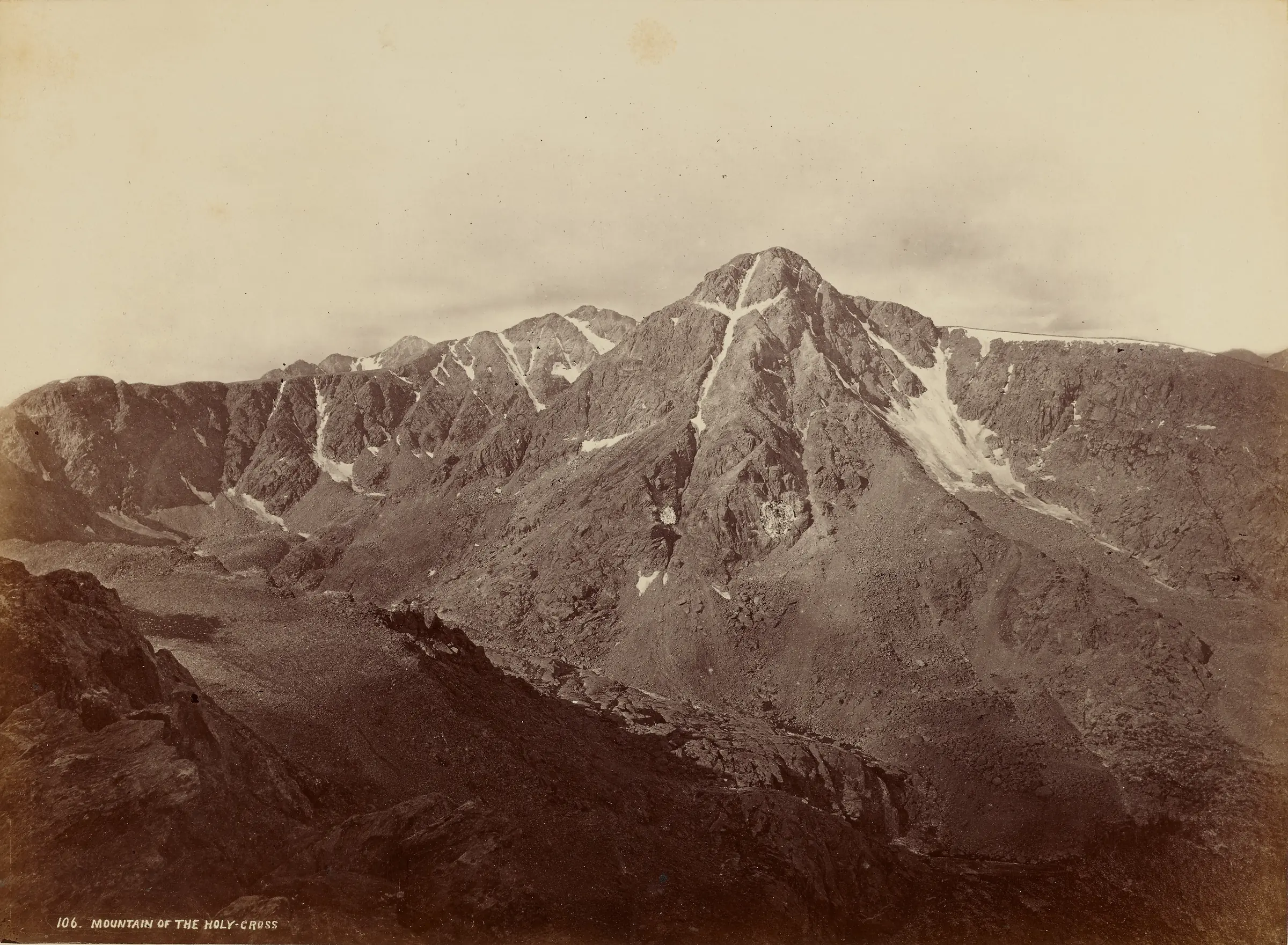
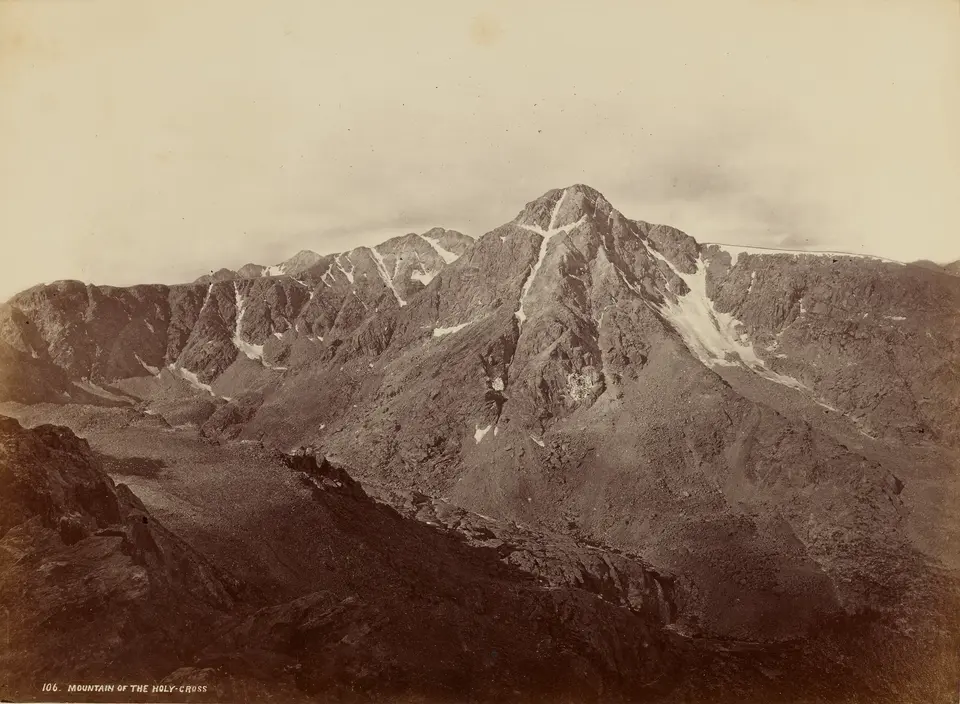
William Henry Jackson, Mountain of the Holy Cross, 1873. Public-domain work; Open Content scan from the J. Paul Getty Museum.

01 / People & place

Stories worth carrying forward

These mountains hold a thousand stories.

Seasonal journeys. A darkroom carried into the mountains. Soldiers who came back to build something lasting. Meet the people whose lives connect Homestake, Holy Cross, and the neighboring Eagle River country.

Jump to the historical timeline

Living Ute heritage · Pando Valley & the Eagle River

When the snow melted, people returned.

For Ute people, the changing seasons opened routes to food, medicine, and places of deep meaning in the high country.

Read the storyClose the story

The Southern Ute Indian Tribe describes Ute people traveling to nearby Pando Valley, now the site of Camp Hale, after the winter snow melted. They hunted and gathered plants and minerals for food, medicine, and spiritual use. The Tribe calls this seasonal circuit Míyatukhwatni, “moving locations as the seasons change.”

Along the Eagle River, a traditional Ute route connected the mountains with the sacred hot springs at Glenwood Springs. Forced removal disrupted these relationships. Ute people continue to return to the Camp Hale and Tenmile Range area to gather, hunt, fish, and honor their ancestors. This is a living homeland, with knowledge and connections that endure.
1873 · Hayden Survey · Mount of the Holy Cross

Above the clouds, the cross appeared.

William Henry Jackson’s famous 1873 photograph began with the moment he first saw the snow cross, followed by a missed chance and a sleepless night.

Read the storyClose the story

After months of photographing Colorado’s mountains, the Hayden Survey reached the country where Mount of the Holy Cross was said to stand. On August 23, 1873, Jackson pushed ahead of his companions as they climbed Notch Mountain with photographic equipment on their backs.

Near the top of the ridge, Jackson climbed above the timberline and the clouds. As he clambered over jagged rocks, what he later called the “great shining cross” suddenly appeared directly before him, tilted against the mountainside.

The sight was only the beginning. By the time the whole group reached the summit, the light was too poor to make the photograph.

They spent a sleepless night beside a fire near timberline, without food, coats, or blankets. At dawn they climbed again. Then came another problem: they needed water to prepare the glass plates. Sunlight melted enough snow, and Jackson made eight photographs.

Twenty years later, he returned with his son Clarence. Even with better equipment, Jackson later recalled, he never matched those first images. The photograph above carries that night, that persistence, and that mountain morning into the present.

William Henry Jackson’s 1873 photograph of Mount of the Holy Cross, with snow filling its cross-shaped couloirs
William Henry Jackson, 1873. J. Paul Getty Museum, Open Content; public-domain photograph.

World War II · Camp Hale & its mountain training country

The mountains became their classroom.

At nearby Camp Hale, young soldiers learned to ski, climb, and endure the cold. Those skills would travel with them to the mountains of Italy.

Read the storyClose the story

Camp Hale opened in November 1942. The 10th Mountain Division trained among steep slopes, deep snow, and bitter temperatures. In February 1945, its soldiers climbed a 1,500-foot cliff in Italy to take a German position, helping the Allies break through the defensive line.

After the war, veterans helped create more than 60 ski resorts as founders or managers. Others shaped conservation and outdoor education. David Brower became the Sierra Club’s first executive director; Paul Petzoldt founded the National Outdoor Leadership School. The country that trained them helped shape what they gave back.

1982 onward · Central Colorado & the Homestake Peak area

A place to stay. A way to remember.

Veteran Fritz Benedict and fellow Aspen skiers imagined a chain of huts that would let more people experience the mountains under their own power.

Read the storyClose the story

The first two 10th Mountain Division huts, McNamara and Margy’s, were completed in 1982. The association’s name honors the soldiers, and several huts were funded by friends and families in memory of men who died in World War II.

Near Homestake Peak, the 10th Mountain Division Hut opened in 1989 with donations from veterans Bill Boddington, Col. Pete Peterson, Maury Kuper, and Bill Bowerman. A roof, a wood stove, and space to share a meal carry that legacy into another generation of mountain journeys. Remembering can be something you do with your boots on.

July 2023 · Homestake Valley

A valley full of people looking closer.

Young families, teachers, birders, and a geology professor with students came together to learn what was living here. Tiny aquatic insects became part of a much bigger story.

Read the storyClose the story

Writing about the 2023 Homestake BioBlitz, Joanna Zhang recalled joining fellow conservationist Daniel Timmons and local volunteers to examine wetland plants, forest wildflowers, and aquatic insects. They looked closely enough to count tiny legs and tails.

Wilderness Workshop and the Eagle River Watershed Council organized the day. People with different backgrounds shared a purpose: documenting the life at stake in Homestake. Every careful observation made the valley better known. This is a chapter we can still join, by learning the place, caring for it, and making sure its life is seen.

Be part of Homestake’s living story
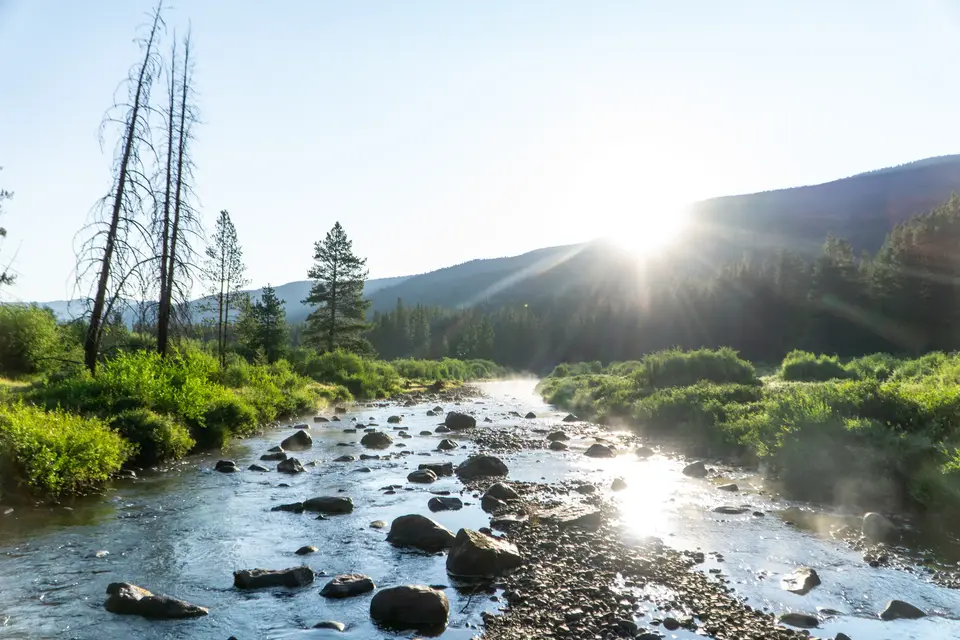
Morning mist above Homestake Creek and its wetland valley
Homestake Creek. Save Homestake field photograph.
02 / Timeline

One continuous record

Follow the full story.

This history begins with Ute homelands, not with a water filing. Move through the Hayden Survey, John P. Elliott's regional plan, Homestake I construction, the Homestake II fight, and today's still-unpermitted Whitney concept. Every entry links to its supporting record.

01Construction requires its own approvals.

Water rights are one part of the legal record; every dam, diversion point, and construction footprint requires separate approval.

02The 2021 authorization covered test drilling.

Reservoir construction requires a separate approval process.

03Whitney remains in planning.

As of July 28, 2026, Whitney had no final configuration or reservoir-construction application.

03 / Visual record

Images, maps, and documents

See what changed.

Historic photographs, maps, and documents reveal Homestake Valley before the dam, the scale of what was changed, and the record behind the fight to protect what remains.

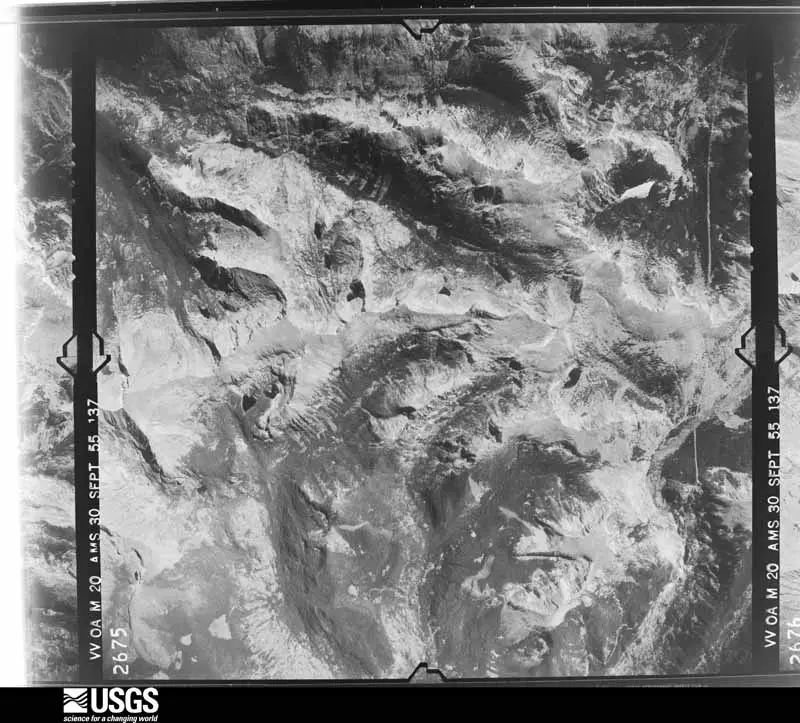
Black-and-white 1955 Army Map Service aerial frame covering the upper Homestake basin before reservoir construction
U.S. government, public domain

The future reservoir basin from the air

This Army Map Service frame was photographed on September 30, 1955, before construction. It covers the future reservoir area at a nominal 1:60,000 scale and preserves the valley as a vertical aerial record.

Open USGS scene A001370202675
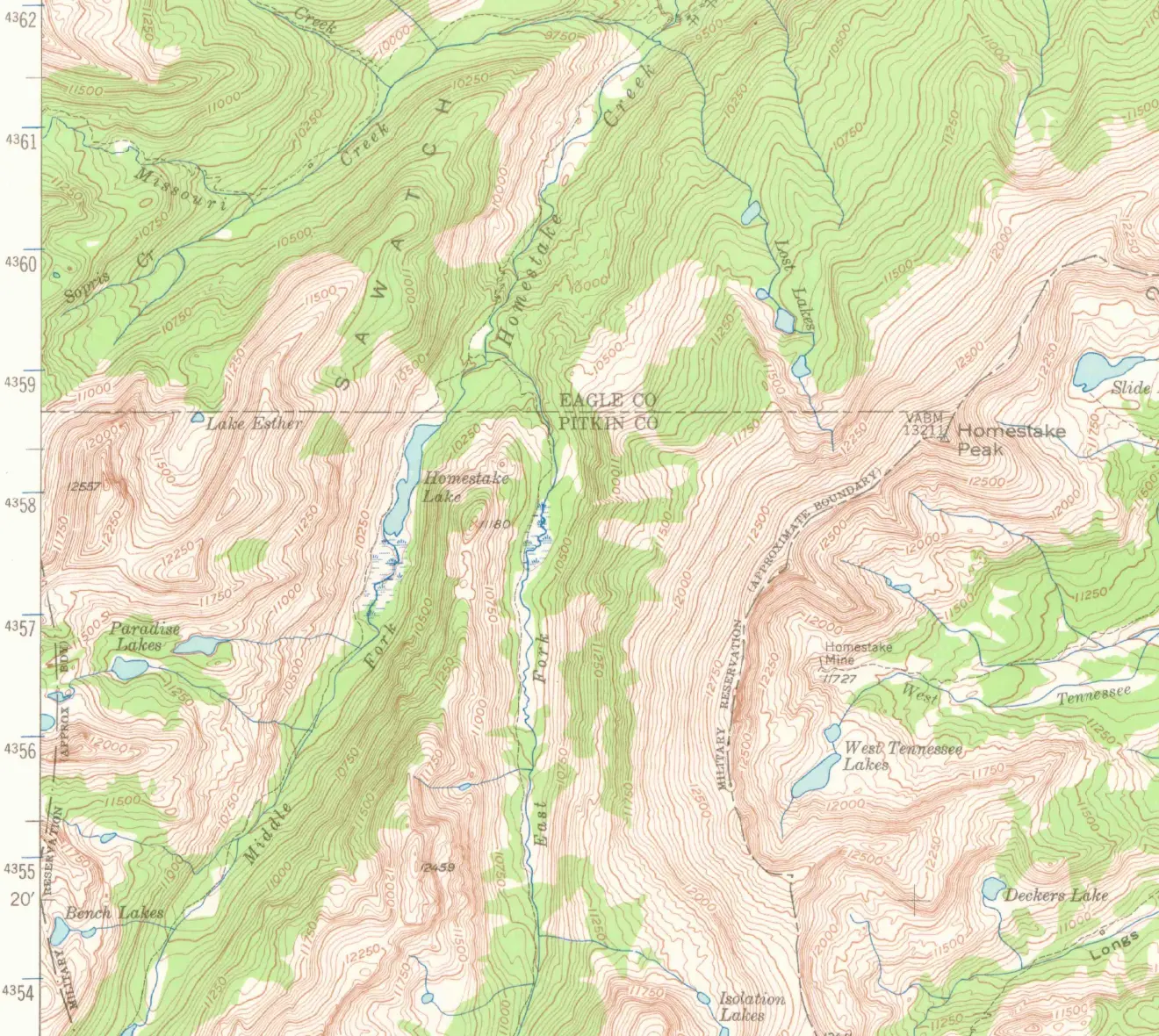
Detail of a 1949 USGS map showing natural Homestake Lake before construction of Homestake Reservoir
U.S. government, public domain

Homestake Lake before the dam

This 1949 USGS map preserves the pre-reservoir geography: a narrow natural lake, wetlands, creeks, and the mountain basin that Homestake I would transform.

Open the full 1949 map
04 / The lesson

What this history proves

Resistance changes outcomes.

Local standards, wetlands evidence, public pressure, litigation, and persistence defeated Homestake II over years.

Homestake II destroyed the idea that a water right makes approval inevitable. The Western Slope is not a reserve bank for every new increment of Front Range growth. We owe future generations a living Homestake Valley, not another permanent loss. Any future Whitney proposal still has to survive the record built against it.

History is not finished

The next decisive date has not happened yet.

Public attention before a formal application can shape the questions, the evidence, and the political cost.

Stand with the valley